
Lift Stations Tampa FL

The Role of Lift Stations in Septic Systems
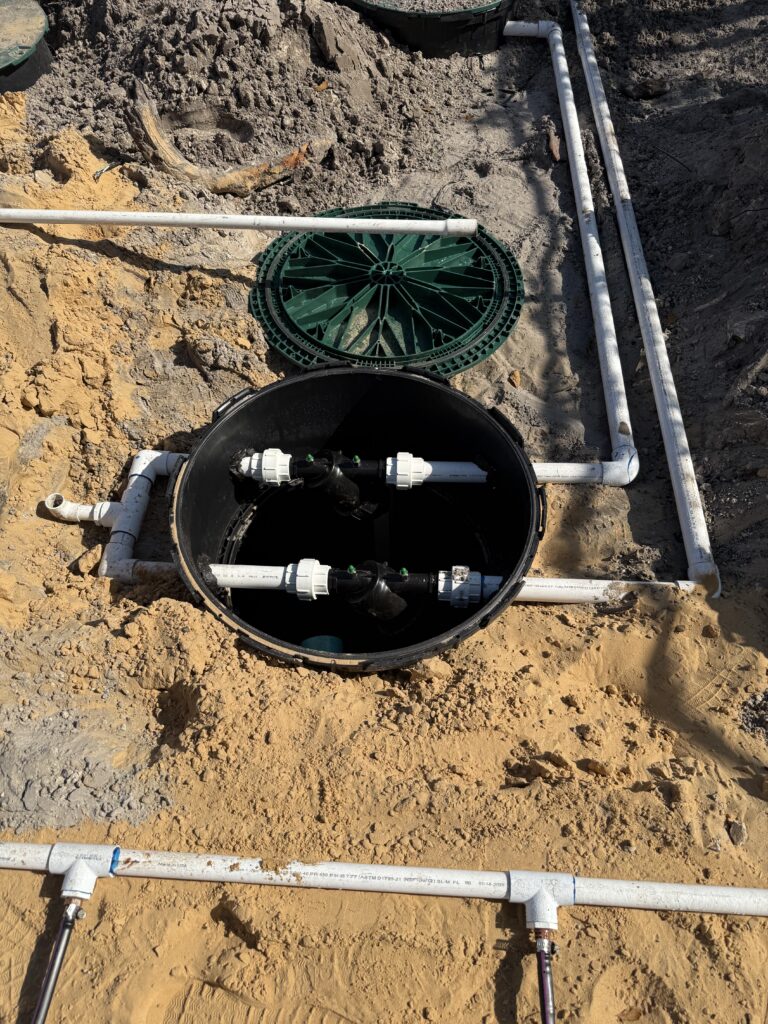
Lift stations play a critical role in septic and wastewater systems when gravity flow alone is not sufficient. In areas where properties sit below the elevation of the septic tank or treatment system, lift stations are used to move wastewater uphill so it can continue flowing through the system safely and efficiently.
Without a properly functioning lift station, wastewater can stagnate, leading to backups, overflows, and potential property damage. Lift stations in Tampa, FL are commonly used in residential, commercial, and municipal applications, where terrain, soil conditions, or system design require assisted wastewater movement.
How Lift Stations Work Day-to-Day
Lift stations operate automatically to manage wastewater levels without constant manual oversight. Wastewater collects in a basin known as a wet well. As liquid levels rise, float switches or sensors activate the pump, moving wastewater to a higher elevation where gravity flow can resume.
Control panels regulate pump cycles and monitor system performance, while alarms alert homeowners or service providers if water levels exceed safe limits. This automation allows lift stations to operate continuously while reducing the risk of sudden system failure.
Key Lift Station Features
Assisted Wastewater Pumping
Moves sewage from low-lying areas to higher elevations to reach the septic system properly.
Overflow & Backup Prevention
Prevents wastewater from pooling or overflowing when gravity flow alone cannot handle demand.
Automated System Controls
Uses float switches, sensors, and control panels to activate pumps based on wastewater levels.
Energy-Efficient Design
Modern lift stations are built to maintain performance while minimizing power consumption.
System Redundancy Measures
Dual pumps and backup power help ensure continued operation during outages or heavy use.
Remote System Monitoring
Telemetry systems can alert technicians to performance issues before failures occur.

Essential Maintenance for Lift Stations in Tampa, FL
Routine lift station maintenance is essential to system reliability, safety, and compliance. Regular service helps prevent breakdowns, extends equipment lifespan, and reduces the risk of sewage backups or environmental contamination.
Maintenance typically includes removing grease and solids that can clog pumps, cleaning the wet well to prevent buildup, inspecting pumps and valves for wear, and testing alarms and sensors to ensure they activate when needed. Electrical components and backup systems are also checked to confirm proper operation during emergencies.
What Happens When Lift Stations Aren’t Maintained
Pump Failure
Blocked lines and accumulated debris place constant strain on lift station pumps, causing overheating and premature failure.
Malfunctions
Clogged or damaged sensors may fail to detect rising wastewater levels, increasing the risk of overflows and system shutdowns.
Health Risks
Stagnant wastewater can produce strong odors and expose properties to harmful gases and bacteria when systems are not maintained.
Costly Repairs
Unaddressed maintenance issues often lead to sewage backups, property damage, and expensive emergency repairs that exceed routine costs.

Recommended Lift Station Tampa, FL Service Frequency
Septic professionals generally recommend inspecting lift stations quarterly, with deeper cleanings performed one to two times per year. Properties with higher wastewater volumes—such as restaurants, multi-unit buildings, or commercial facilities—often require more frequent service to maintain safe operation.
Working with an experienced septic contractor ensures your lift station in Tampa, FL receives the appropriate level of care based on system usage, design, and local conditions.
Testimonials
 Posted on Google
 Shane Korta
Trustindex verifies that the original source of the review is Google.
Had an overall great experience with Tampa Bay Septic. They present their estimates in a professional way with a digital process that is clear and detailed. Had no problems with permitting and got the tank and drain-field installed in one day. They even attached a new washing machine drain line for me since my old one collapsed!Posted on Google Alphonso ThomasJake was very professional i time and wasn't trying to upsell!!!Posted on Google
 Debbie DiazLet me start by saying our experience with this company has been first rate, the employees are amazing. Our first contact was with Jake we watched him work meanwhile doing a neighbor's home and where very impressed. He is the reason we chose this company. Jessy who did our home went above and beyond with professionalism and a smile. We have never seen a harder working young man, he out did himself and never complained and Justin always had a smile he was great as well. Thank you so much Tampa Bay Septic what a please!Posted on Google
 Maxeau AndreThat was great with tampa bay septic tankPosted on Google
 Laura BrownGreat company! Made it so easy.everyone was so professional.Posted on Google
 Mohamed elminshawyVery professional in every way plus it's more affordable . Thank you so muchPosted on Google
 Kosove Rrustemi⭐️⭐️⭐️⭐️⭐️ I’ve been working with Tampa Bay Septic for the past couple of years, and they always do an outstanding job! From permitting to finishing the project, everything is done on schedule and the right way. I especially love their new system design where you don’t see the drainage field mound in the front or back of the house—it makes such a big difference in the look of the property. Their professionalism, quality of work, and attention to detail are excellent. I’m very happy with their service and highly recommend them to anyone in need of septic work. 💪🏼Posted on Google
 Dave AldermanJake went above and beyond . Not only did he fill in my drainfield he had to take my fence post off to get in he also returned a few weeks later to add more grass seed .