
Septic Services Spring Hill, FL
Tampa Bay Septic provides full-service septic pumping, repair, inspection, and installation for homeowners and businesses throughout Spring Hill, FL, and Hernando County. Whether you need a routine pump-out, an emergency repair, or a full drain field replacement, our team handles it under one roof, with 25+ years of experience and a Best Price Guarantee.
20+ Years Septic Experience
Full-Service Septic Contractor
Inspections, Repairs, Pumping, Installations
24/7 Emergency Response
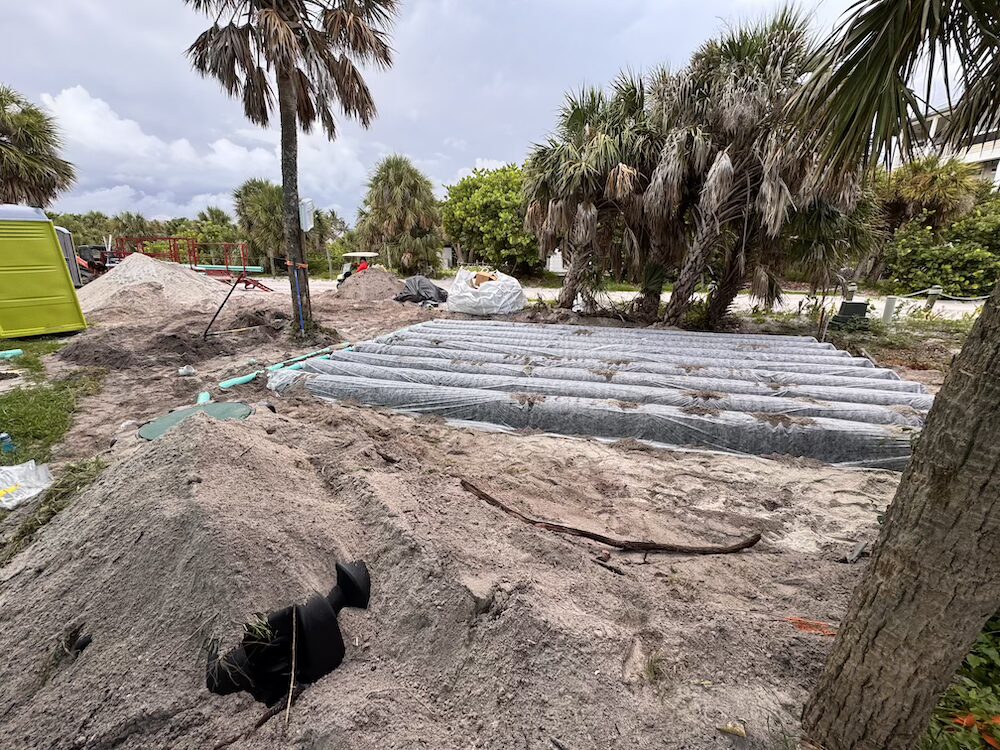
Full-Service Septic Care for Spring Hill & Hernando County
Because Spring Hill is unincorporated, most homes here rely on private septic systems rather than municipal sewer.
Consequently, that makes a septic system one of the most important (and most expensive to replace) systems in a Spring Hill home. In fact, routine maintenance from a local, licensed contractor is the difference between a $400 pump-out and a $15,000+ drain field replacement.
Our team built our business around being the contractor Spring Hill homeowners call before a small problem becomes an expensive one.
Common Reasons People Call Us for Septic Services in Spring Hill, FL
Experiencing any of the issues below? Give us a call today!
1. Slow Drains In the Home
Often points to a clog, overloaded tank, or drain field restriction.
2. Odors By the Yard or Drains
Can indicate tank or drain field issues, especially if persistent over time.
3. Wet Spots or Standing Water
May signal an overfull tank, leak, or drain field failure that needs attention.
4. Sewage / Toilet Backup
Urgent issue—requires professional service immediately.

Serving Spring Hill & Nearby Hernando County Communities
We provide expert septic service throughout Spring Hill and surrounding Hernando County communities, including Brooksville, Weeki Wachee, Timber Pines, and Hernando Beach. Because the area is largely unincorporated, septic systems serve most homes rather than municipal sewers. Consequently, reliable local septic support is essential here.
Geographically, Spring Hill sits within Florida’s Nature Coast region, just north of Tampa. As a result, the local landscape features a mix of established neighborhoods, new construction, and large lots. Therefore, we service a wide range of setups, from decades-old conventional tanks to modern aerobic treatment units built for tight soil or high water tables.
Wherever you are located, our trucks are already in the area on a daily basis.
Additionally, explore our other Florida service locations below to find expert septic care in your neighborhood:
Apopka | Bradenton | Brandon | Clearwater | Crystal River | Dunedin | Fort Meyers | Holiday | Jacksonville | Lakeland | Largo | Miami | Ocala | Orlando | Palm Harbor | Plant City | Port Charlotte | Sarasota | Seffner | Spring Hill | Tampa | Wauchula | Wesley Chapel | Winter Haven
Property & Situation Types We Serve
- Residential homes: routine maintenance, repairs, and inspections for single-family properties
- New construction: new septic system design and installation for homes being built in Spring Hill
- Real estate transactions: septic inspections for buyers, sellers, and agents ahead of closing
- Commercial properties: septic and lift station service for businesses and multi-unit properties
- Older systems: diagnostics and repair for aging tanks and drain fields common in Spring Hill’s established neighborhoods

Complete Septic Services in Spring Hill, FL

Septic Permits & Regulations in Hernando County
First, any new septic installation, repair, or modification in Hernando County requires a health department permit. Although the state shifted program oversight to the Florida DEP in 2021, local county officials still handle permitting and inspections. Additionally, specialized setups like Aerobic Treatment Units (ATUs) or Performance-Based Systems (PBTS) require an active operating permit.
Because county rules require a certified provider (not the homeowner) to submit inspection requests, working with a licensed contractor is mandatory. To simplify this process, we manage the administrative work for you. Specifically, we submit permit requests, draft compliant site plans (11″ x 17″ or smaller), and verify code compliance before closing out the job.
Finally, if you are buying or selling a home in Spring Hill, we also coordinate permit history checks during pre-sale septic inspections

How Your Spring Hill Septic System Works
To start, an underground tank separates solids from wastewater. Next, it distributes the treated liquid into a drain field, where soil filters it naturally. Specifically, heavy solids settle at the bottom as sludge, while light fats and oils float to form a scum layer. Meanwhile, an internal baffle keeps both layers from entering the drain field.
Generally, Spring Hill’s sandy soil supports standard drain fields well. However, high water tables or nearby wetlands can require an Aerobic Treatment Unit (ATU) or a raised mound system instead. To prevent clogs, regular pumping stops solids from reaching the drain field and causing a costly failure.
Ultimately, conventional systems last 20–30 years with proper care. In fact, skipping routine pumping is the single most common reason systems fail early.
Tips to Protect Your System
Only flush toilet paper and human waste
Keep grease, fats, and oils out of sinks and disposals
Avoid harsh chemicals that disrupt tank bacteria
Space out laundry and heavy water use when possible
Do not drive or park over the drain field
Make sure deep-rooted trees away from the drain field

Septic Systems FAQs
Most Spring Hill homes need pumping every 3–5 years, though households with garbage disposals, larger families, or older tanks may need it more often.
Yes. New installations, repairs, and modifications all require a permit through the Florida Department of Health in Hernando County, and ATU/PBTS systems require an active operating permit.
Standing water, soggy patches, sewage odor, or slow drains after rain are the most common warning signs of drain field failure in Hernando County’s sandy soil.
Inspection requests for OSTDS/septic systems must be submitted by a certified provider, not the homeowner directly — we handle scheduling and submission for you.
Yes, we provide 24/7 emergency response for backups, line breaks, and failed systems.
Yes — 0% financing for up to six months is available through Hearth for qualifying jobs.
Most conventional systems last 20–30 years with regular pumping and inspections. Skipping maintenance is the most common reason systems fail well before that.
Testimonials
Trustindex verifies that the original source of the review is Google. Had an overall great experience with Tampa Bay Septic. They present their estimates in a professional way with a digital process that is clear and detailed. Had no problems with permitting and got the tank and drain-field installed in one day. They even attached a new washing machine drain line for me since my old one collapsed!Posted on GoogleTrustindex verifies that the original source of the review is Google. Jake was very professional i time and wasn't trying to upsell!!!Posted on GoogleTrustindex verifies that the original source of the review is Google. Let me start by saying our experience with this company has been first rate, the employees are amazing. Our first contact was with Jake we watched him work meanwhile doing a neighbor's home and where very impressed. He is the reason we chose this company. Jessy who did our home went above and beyond with professionalism and a smile. We have never seen a harder working young man, he out did himself and never complained and Justin always had a smile he was great as well. Thank you so much Tampa Bay Septic what a please!Posted on GoogleTrustindex verifies that the original source of the review is Google. That was great with tampa bay septic tankPosted on GoogleTrustindex verifies that the original source of the review is Google. Great company! Made it so easy.everyone was so professional.Posted on GoogleTrustindex verifies that the original source of the review is Google. Very professional in every way plus it's more affordable . Thank you so muchPosted on GoogleTrustindex verifies that the original source of the review is Google. ⭐️⭐️⭐️⭐️⭐️ I’ve been working with Tampa Bay Septic for the past couple of years, and they always do an outstanding job! From permitting to finishing the project, everything is done on schedule and the right way. I especially love their new system design where you don’t see the drainage field mound in the front or back of the house—it makes such a big difference in the look of the property. Their professionalism, quality of work, and attention to detail are excellent. I’m very happy with their service and highly recommend them to anyone in need of septic work. 💪🏼Posted on GoogleTrustindex verifies that the original source of the review is Google. Jake went above and beyond . Not only did he fill in my drainfield he had to take my fence post off to get in he also returned a few weeks later to add more grass seed .