
ATU System Maintenance Tampa FL

What is an ATU System?
An ATU system stands for Aerobic Treatment Unit system.
It’s a type of advanced septic system that uses oxygen to break down waste more efficiently than a traditional septic tank. Think of it as a small, on-site wastewater treatment plant. The aerobic bacteria inside the system work faster than the anaerobic bacteria in a standard septic system, producing cleaner, higher-quality effluent (treated water).
- Aeration & Oxygen Flow: ATUs use air pumps to supply oxygen, helping bacteria break down waste faster and more efficiently.
- Chamber Design: Multi-stage tanks separate solids, promote aeration, and clarify effluent before it’s released.
- Advanced Filtration: Built-in filters and clarifiers ensure cleaner, safer water leaves the system.
- Automated Monitoring: Many units feature alarms or control panels to alert you when maintenance is needed.
- Routine Maintenance: Regular service keeps pumps, filters, and aerators working at peak performance.
- Eco-Friendly Performance: Produces cleaner effluent, protecting groundwater and the surrounding environment.

Types of Residential Septic Systems Installed
An ATU system is more complex than a standard septic tank, it requires regular maintenance to keep everything functioning properly. Without upkeep, the system can fail, leading to backups, foul odors, or untreated wastewater entering the environment.
Routine servicing includes cleaning filters, inspecting electrical components, and checking oxygen levels in the aeration chamber. These steps ensure the system continues to break down waste properly and produce clean, treated water.
Neglecting maintenance can shorten the system’s lifespan and lead to costly repairs or replacements. By scheduling regular inspections and upkeep, you’ll protect your investment, avoid unexpected downtime, and ensure your system meets local environmental standards.
Common ATU System Maintenance Tasks
Inspection
A certified technician checks mechanical and electrical components, including pumps, alarms, aerators, and timers.
Sludge & Scum Removal
Just like a traditional septic tank, solids build up over time and must be pumped out periodically.
Filter Cleaning
ATUs often include filters that require regular cleaning to prevent clogs and maintain smooth operation.
Air Pump/Aerator Service
The aerator or compressor must stay in good condition, as it’s essential for oxygen delivery and efficient treatment.
Chlorination and Disinfection
Some ATU systems use chlorine tablets or UV light to disinfect treated wastewater before it’s released.
Testing Effluent Quality
Technicians may test water clarity, odor, and bacteria levels to ensure the system is treating wastewater properly.
Common ATU System Maintenance Tasks
Inspection
A certified technician checks mechanical and electrical components, including pumps, alarms, aerators, and timers.
Sludge & Scum Removal
Just like a traditional septic tank, solids build up over time and must be pumped out periodically.
Filter Cleaning
ATUs often include filters that require regular cleaning to prevent clogs and maintain smooth operation.
Air Pump/Aerator Service
The aerator or compressor must stay in good condition, as it’s essential for oxygen delivery and efficient treatment.
Chlorination and Disinfection
Some ATU systems use chlorine tablets or UV light to disinfect treated wastewater before it’s released.
Testing Effluent Quality
Technicians may test water clarity, odor, and bacteria levels to ensure the system is treating wastewater properly.
Maintenance Frequency
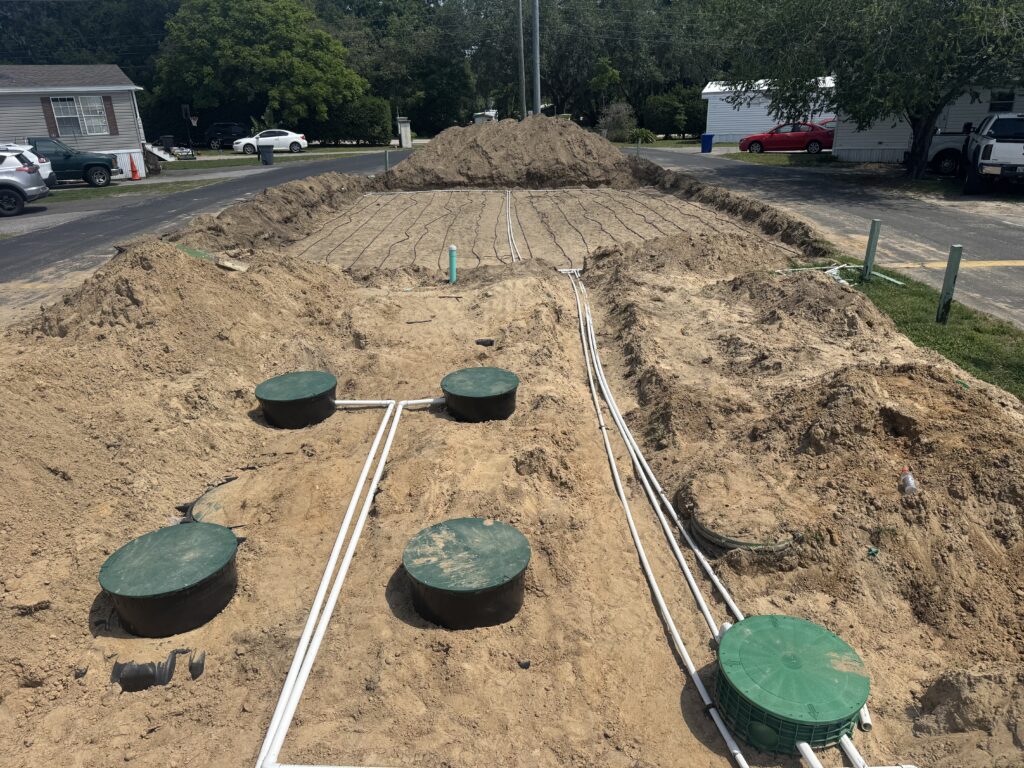
Most manufacturers and state/local health departments recommend every 3–6 months for ATU inspections and servicing. Pumping may be needed every 2–5 years, depending on usage and tank size.
Depending on system size and daily water usage, pumping may be needed every 2–5 years to remove sludge and scum buildup. Neglecting these cleanings can cause backups, foul odors, or even system failure.
Regular service visits allow technicians to test water clarity, inspect electrical components, and verify that air pumps are maintaining proper oxygen flow. Keeping a consistent maintenance schedule helps your system run longer, reduces repair costs, and keeps your property compliant with local environmental regulations.
Testimonials
Trustindex verifies that the original source of the review is Google. Had an overall great experience with Tampa Bay Septic. They present their estimates in a professional way with a digital process that is clear and detailed. Had no problems with permitting and got the tank and drain-field installed in one day. They even attached a new washing machine drain line for me since my old one collapsed!Posted onTrustindex verifies that the original source of the review is Google. Jake was very professional i time and wasn't trying to upsell!!!Posted onTrustindex verifies that the original source of the review is Google. Let me start by saying our experience with this company has been first rate, the employees are amazing. Our first contact was with Jake we watched him work meanwhile doing a neighbor's home and where very impressed. He is the reason we chose this company. Jessy who did our home went above and beyond with professionalism and a smile. We have never seen a harder working young man, he out did himself and never complained and Justin always had a smile he was great as well. Thank you so much Tampa Bay Septic what a please!Posted onTrustindex verifies that the original source of the review is Google. That was great with tampa bay septic tankPosted onTrustindex verifies that the original source of the review is Google. Great company! Made it so easy.everyone was so professional.Posted onTrustindex verifies that the original source of the review is Google. Very professional in every way plus it's more affordable . Thank you so muchPosted onTrustindex verifies that the original source of the review is Google. ⭐️⭐️⭐️⭐️⭐️ I’ve been working with Tampa Bay Septic for the past couple of years, and they always do an outstanding job! From permitting to finishing the project, everything is done on schedule and the right way. I especially love their new system design where you don’t see the drainage field mound in the front or back of the house—it makes such a big difference in the look of the property. Their professionalism, quality of work, and attention to detail are excellent. I’m very happy with their service and highly recommend them to anyone in need of septic work. 💪🏼Posted onTrustindex verifies that the original source of the review is Google. Jake went above and beyond . Not only did he fill in my drainfield he had to take my fence post off to get in he also returned a few weeks later to add more grass seed .