Florida’s high water tables and sandy soil make standard wastewater setups tricky, often making a mound septic system the best choice for Tampa Bay homeowners. In low-lying or coastal areas, traditional underground drain fields frequently fail because the natural ground stays too wet to filter effluent safely.
By elevating the drain field above the water table, an engineered system protects local groundwater and keeps your home plumbing flowing smoothly. Here is a breakdown of how a raised system works and what you need to know to maintain it.
What is a Mound Septic System
A mound septic system is an engineered wastewater treatment solution. It is designed specifically for properties where a conventional underground drain field will not work. From the outside, it looks like a neatly landscaped hill in your yard. Inside, it is a highly calculated filtration system.
In a traditional setup, wastewater flows out of your septic tank and goes into deep trenches. The dry soil below acts as a natural filter. It removes harmful bacteria before the water reaches the underground aquifer.
In many parts of Florida, you do not have enough dry soil. If you dig down in Pinellas or Hillsborough counties, you will likely hit water. If wastewater enters wet soil, it mixes with groundwater, causing environmental hazards and terrible odors. A mound system solves this by bringing the filtering soil above ground level.
Why Florida Properties Often Need Mound Systems
Florida homeowners frequently rely on raised drain fields due to our geography. If you live near the Tampa Bay coastline or surrounding inland communities, you might encounter tricky soil conditions.
Before installing any septic setup, a professional must perform a percolation test. This measures how quickly water drains through your soil. If your yard fails this test, a mound system is usually the best alternative. Here are the primary reasons your property might need one.

High Water Tables
The water table is the level where the ground is completely saturated. In Florida, heavy downpours often keep the water table inches below the surface. State regulations require dry soil between the drain field and the water table for proper filtration. A mound system builds that required dry space upward.
Slow Percolating Soils
Sometimes, yard soil has too much clay. Water moves through it very slowly. If a traditional drain field is installed in slow-draining soil, the system will back up into the house during heavy use. The engineered sand in a mound system allows for a controlled filtration rate that prevents indoor backups.
Ultimately, overcoming these unique soil and water challenges ensures your Tampa Bay property processes wastewater safely and remains fully compliant with state environmental regulations.
How a Mound Septic System Works Step by Step
A mound septic system works by separating solid waste, pumping liquid in controlled doses, and filtering that liquid through a raised sand bed. The process happens in three phases.
Phase 1: The Primary Septic Tank
Wastewater from your home enters the underground septic tank. Inside the tank, the wastewater separates into three layers. Heavy solid waste sinks to form a sludge layer. Fats and oils float to create a scum layer. The clear liquid in the middle is called effluent.
Naturally occurring bacteria break down the solid waste. Regular septic tank pumping keeps the sludge and scum layers from getting too thick. Only the liquid effluent exits the tank.
Phase 2: The Dosing Chamber and Lift Station
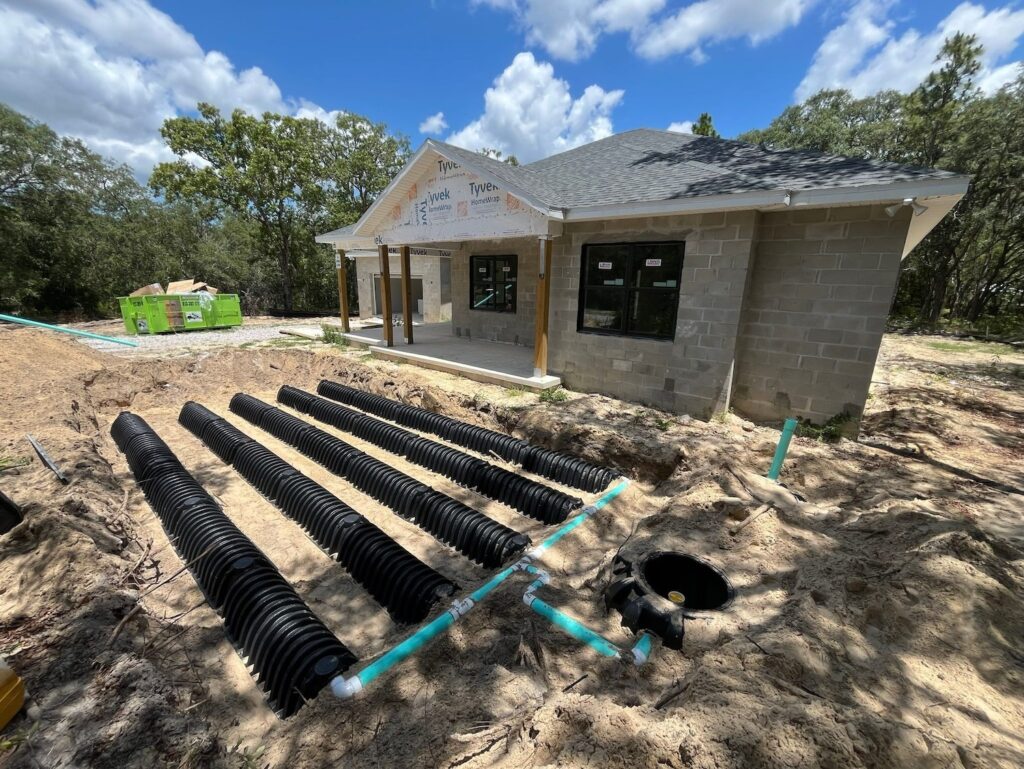
The effluent flows into a second underground tank called a dosing chamber. Because the mound is built above ground, gravity cannot carry the water. It must be pushed uphill.
The dosing chamber contains a specialized pump called a lift station. A float switch monitors the water level. When effluent reaches a specific height, the switch activates the pump. The pump sends a measured dose of effluent up into the mound. Dosing ensures the entire drain field is used evenly and gives the sand filter time to rest.
Phase 3: The Raised Drain Field
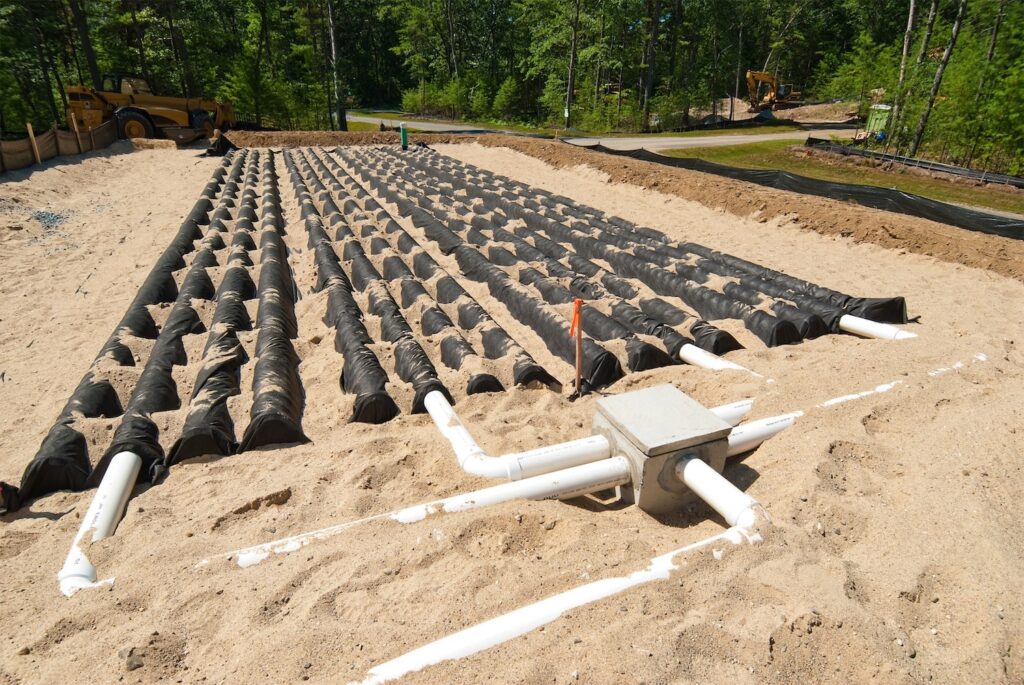
The pump pushes the effluent into the top of the constructed mound. The effluent flows out of perforated PVC pipes sitting in a bed of washed gravel. Below the gravel is a deep layer of specially graded sand.
As wastewater trickles through the gravel and sand, a biological process takes place. Beneficial microbes living in the sand consume harmful pathogens. By the time the water reaches the natural soil of your Tampa Bay yard, it is clean and safe. The mound is covered with topsoil and planted with grass to prevent erosion.
This coordinated three-step cycle ensures household wastewater is thoroughly treated and purified before safely returning to the local Florida water table.
Conventional vs Mound Septic Systems
Here is a quick comparison of the two main types of residential septic setups.
| Feature | Conventional Septic System | Mound Septic System |
| Location | Buried in underground trenches. | Built above ground as a hill. |
| Water Flow | Uses gravity to move water. | Uses a lift station pump. |
| Ideal Soil | Requires deep, dry soil. | Perfect for high water tables. |
| Maintenance | Standard tank pumping. | Pumping plus electrical checks. |
| Installation | Standard excavation. | Requires imported sand and design. |
While conventional systems offer a simpler design, a mound system provides a reliable alternative when high water tables or poor soil make standard underground installation impossible.
Pros and Cons of Choosing a Mound System
Understanding these advantages and challenges will help you make informed decisions about your property.
The Advantages
The biggest benefit of an engineered mound is that it makes building a home possible on land that would otherwise be unusable. If a waterfront property fails a soil test, a mound system is often the only approved option.
These setups are incredible at protecting local waterways. Because the effluent is filtered through perfectly graded sand before hitting the high water table, they provide excellent environmental protection. This helps prevent pollution in Tampa Bay waters.

The Considerations
Because these systems require imported sand, gravel, and specialized lift-station pumps, they cost more to install than a conventional setup. They also require electricity to run the pump. Visually, a raised mound alters the landscape of your yard. Finally, pumps and float switches eventually wear out and require professional drain field repair or replacement.
Weighing these environmental and buildability benefits against the higher installation and maintenance costs will help you determine if an engineered mound system is the right long-term fit for your property.
Essential Maintenance Tips for Mound Systems
An engineered septic system is a major investment. Proper maintenance is incredibly important to protect the delicate balance inside the dosing chamber and sand filter.
Schedule Routine Pumping and Cleaning
The primary septic tank attached to your mound needs regular pumping. We recommend pumping every three to five years. If too much sludge builds up, solid waste will escape into the dosing chamber. The pump will then shoot solids into your mound, clogging the fine sand and destroying the system.
Watch What You Flush
The bacteria in your tank can only break down natural waste and toilet paper. Never flush wipes, paper towels, feminine products, grease, or harsh chemicals. These items will clog your lift station pump and cause raw sewage backups.
Protect the Mound Area
The raised drain field is fragile. The soil must remain uncompacted so oxygen reaches the bacteria. Never park cars or heavy mowers on top of the mound. The weight will crush the PVC pipes and pack the soil. Divert rain gutters away from the mound to prevent waterlogging.
Keep Up with Lift Station Inspections
The mechanical parts of your system need routine checkups. Having a professional inspect your lift station annually ensures electrical issues are caught early. If your property utilizes an Aerobic Treatment Unit, regular ATU system maintenance is also required by law.
By following these proactive care habits, you can protect your investment, prevent costly mechanical breakdowns, and keep your engineered system operating smoothly for years to come.
Related Questions to Explore
What are the main signs that a lift station pump is failing?
The most common indicator is a sounding high-water alarm near your control panel. You might also notice slow-draining showers, gurgling toilets, or pooling water near the dosing tank. Catching electrical or mechanical pump issues early prevents raw sewage backups and helps protect your drain field from sudden overflow.
How often should a home septic tank be pumped and cleaned?
Most residential septic tanks require pumping every three to five years, depending on your household size and daily water consumption. Regular septic tank pumping removes accumulated sludge and scum before solid waste can escape the tank and clog your filtration media.
Do buyers need a full septic tank inspection before purchasing a Florida home?
Yes, a standard home inspection rarely covers the deep structural health of an underground septic system. A thorough real estate septic inspection checks tank condition, baffle integrity, pump function, and drain field absorption to ensure the property meets local health codes before purchase.
What is the difference between an Aerobic Treatment Unit (ATU) and a traditional system?
An Aerobic Treatment Unit introduces oxygen into the tank to help aerobic bacteria break down waste faster and more efficiently. These units are ideal for environmentally sensitive or high water table areas, though ATU system maintenance requires more frequent professional checks than standard gravity-fed tanks.
When to Call a Professional
Even with perfect maintenance, mechanical parts wear out. It is vital to recognize early warning signs so you can call for help before a minor issue turns into a total system failure.
Reach out to a professional immediately if you hear a loud alarm sounding from your dosing chamber panel. This alarm means the pump has stopped working. You should also seek professional drain field repair if you notice foul sewage odors in your yard or slow-draining sinks inside the house. Spongy, bright green grass around the edges of the mound is often the first visual sign that effluent is leaking and not draining correctly.
Choose Tampa Bay Septic for Your System Needs
Navigating the unique plumbing challenges of the Sunshine State does not have to be stressful. Whether you need a brand new engineered system installed or require routine septic tank maintenance, you need a local team you can trust.
At Tampa Bay Septic, we understand the specific environmental conditions of our coastal communities. We specialize in complex residential installations, commercial septic services, drain field repair, and complete lift station overhauls. If you have questions about your property or need to schedule an inspection, we are here to help. Contact Tampa Bay Septic today and let our experienced team keep your system running beautifully year after year.