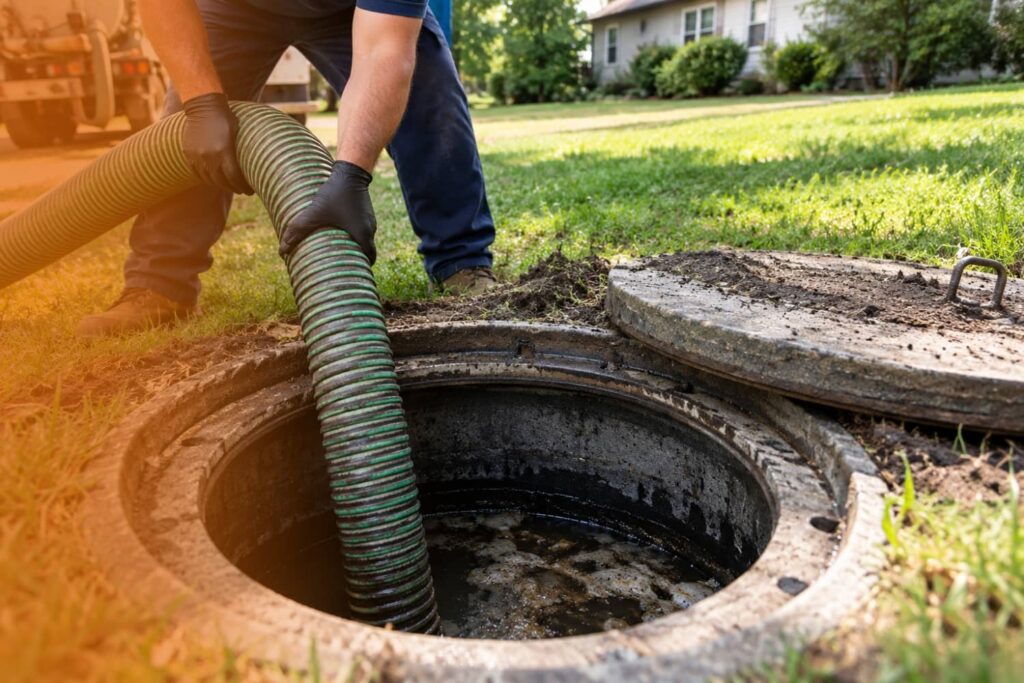
A drip irrigation septic system is a drainfield that uses a pump and thin, buried drip lines to spread treated wastewater slowly through the soil.
It is not a lawn sprinkler, and it is not a way to water your garden. Maybe your drainfield failed, your lot is tight, or you are buying a home that already has one. Either way, you likely have questions.
Tampa Bay Septic installs and services septic systems across Hillsborough, Pinellas, and Pasco counties.
This guide covers how drip systems work, where they fit in Florida, what they need to keep running, and when to call a pro.
What Is a Drip Irrigation Septic System?
A drip irrigation septic system, also called a drip septic system or subsurface drip distribution, is a way to send treated wastewater into the ground.
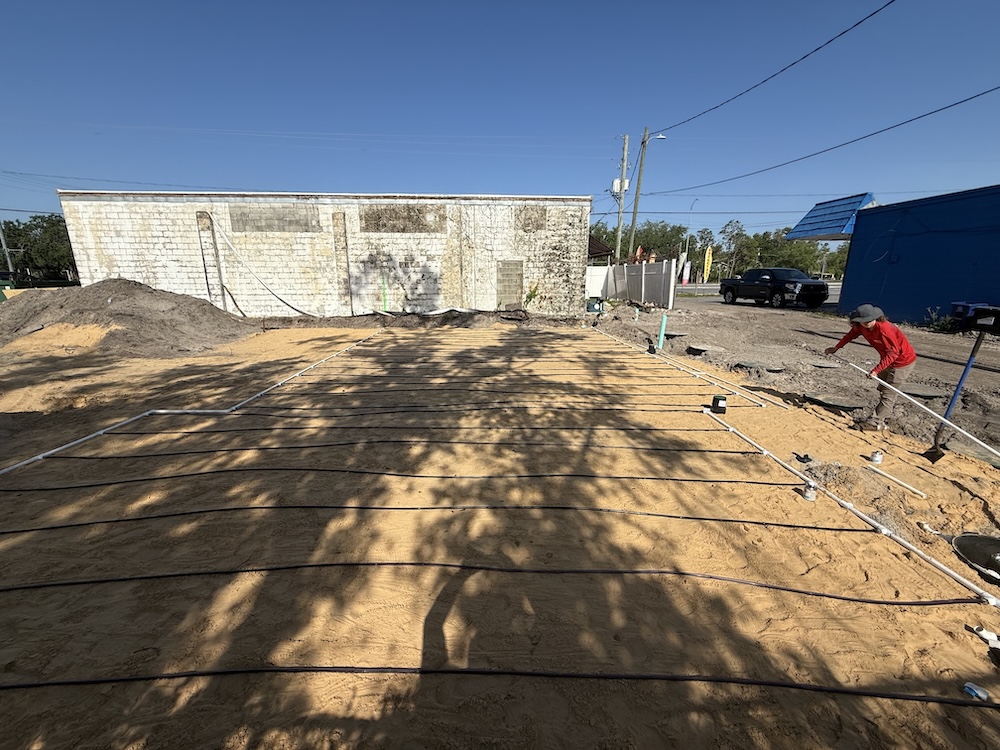
It replaces the gravel trenches of a conventional drainfield with small tubes. Those tubes sit just below the surface and release tiny, timed doses of effluent into the soil.
Effluent is the liquid that leaves your septic tank after the solids settle out. In a drip system, that liquid gets extra treatment and filtering before it reaches the drip lines.
The soil and the roots of grass above it finish the job.
Three points clear up most of the confusion:
- It is a drainfield, not a garden system. The drip lines are part of your wastewater system. They are not meant to water plants you eat from.
- It is not a gravity system. A drip system needs a pump, filters, and a control panel.
- It is usually engineered. The design depends on your soil, your lot, and the water table.
The name causes trouble because “drip irrigation” also describes the plastic tubing gardeners use. The two share an idea (small amounts of water, spread slowly), but they are not the same thing.
Septic drip lines carry wastewater, and Florida’s onsite sewage rules require engineer-prepared plans and a permit for them.
How a Drip Septic System Works
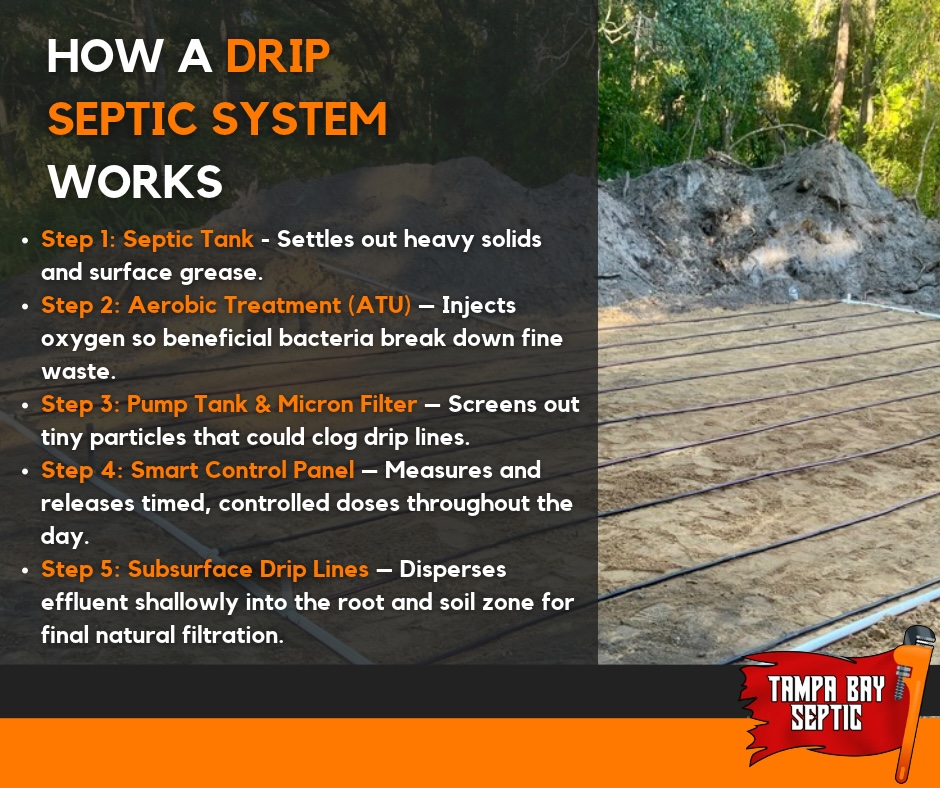
A drip septic system moves wastewater through five stages. Here is the path from your drain to the soil:
- The septic tank. Wastewater from your home flows into the tank. Solids settle to the bottom, and grease floats to the top.
- Extra treatment. Many drip systems add a treatment step, such as an aerobic treatment unit (ATU). Oxygen helps bacteria break down more of the waste before the water moves on.
- The pump tank and filter. Treated effluent collects in a pump tank. A filter catches small particles that could clog the tiny drip openings.
- The control panel. A timer and controls tell the pump when to run. The system sends small doses all day instead of one big flush.
- The drip lines. Pressurized tubing with small openings, called emitters, releases effluent slowly into the soil. The soil filters the water, and roots take up part of it.
The slow, even release is the main advantage. A conventional drainfield can overload one spot. Drip lines spread the load across the whole field, so the soil gets time to treat each dose.
The extra parts are also the main trade-off. A pump, a filter, and a control panel all need to work. When one fails, an alarm usually sounds, which is why these systems need regular checkups.
Drip Septic vs. Conventional, Mound, and Aerobic Systems
Florida homeowners often compare drip systems with other options. This table shows how they differ.
| System | How it spreads effluent | Needs a pump? | Best fit |
|---|---|---|---|
| Conventional | Gravity moves effluent into gravel trenches | No | Lots with deep, well-draining soil |
| Mound | A raised sand mound holds the drainfield | Often | Lots with a high water table |
| Aerobic (ATU) | Adds oxygen treatment, then sprays or drips | Yes | Sites that need cleaner effluent |
| Drip distribution | Pressurized lines release timed doses | Yes | Tight, sloped, or irregular lots |
A drip system and an ATU are not rivals. Many drip systems use an ATU for the treatment step and drip lines for the dispersal step.
Treatment and dispersal are two separate jobs, and you can choose each one on its own.
If you are weighing a raised drainfield, read our guide on how a mound septic system works in Florida. If you already own an ATU, see our tips for extending the life of an aerobic septic system.
Does a Drip System Fit a Tampa Bay Property?
A drip system can fit when the lot is small, sloped, or oddly shaped. The deciding factor in Tampa Bay is usually the water table.
Our soil is sandy, and the groundwater sits close to the surface for much of the year.
UF/IFAS explains that a drainfield needs at least 24 inches (60 cm) of unsaturated soil between the drainfield and the groundwater.
When the soil stays wet, it cannot treat wastewater as well. Rising groundwater along the coast can shrink that gap over time. You can read the details in the UF/IFAS guide on flooding and septic systems.
Drip lines sit shallow, which helps in some wet sites. They do not erase the separation rule, though.
A drip system still has to meet the water table requirement, or the design must add treatment to make up for it. Anyone who tells you a drip system “solves” a high water table is skipping a step.
Florida also treats drip systems as engineered systems.
Expect these steps:
- A site evaluation of your soil and water table
- A design prepared by a licensed professional
- A permit from the Florida Department of Health in your county
- An inspection before the system goes into use
Our engineered septic systems page lists the types we design for tough sites. If you are replacing a failed system, our septic tank installation service walks through the full process.
Drip Septic System Maintenance
A drip system runs on moving parts, so it needs more attention than a basic gravity system. Plan for these tasks:
- Filter cleaning. The filter protects the emitters. A dirty filter can cut flow or cause a backup.
- Pump and control checks. A technician tests the pump, the timer, and the alarm.
- Line flushing. Flushing clears buildup inside the drip lines.
- Field walks. Look for wet spots, strong odors, or unusually green patches over the field.
- Tank pumping. Solids still build up, so pump the tank on the schedule your installer gives you.
Keep a few habits at home, too. Spread out laundry loads so the system does not get flooded. Skip harsh chemicals and non-flushable wipes.
Keep cars and heavy equipment off the drip field. Plant grass or ground cover over it, and ask your installer before adding anything with deep roots.
Write down the date of each service call. Buyers and inspectors like to see a clear record.
How Much Does a Drip Septic System Cost?
The price of a drip septic system depends on your site, so a single number would mislead you.
A drip system costs more than a basic gravity system because it adds a pump, a filter, controls, and an engineered design.
It can cost less than some other options on difficult lots because it needs less space and less fill.
These factors move the price most:
- Soil type and water table depth
- Lot size, slope, and access for equipment
- Whether the system needs an ATU or other treatment
- Engineering, permit, and inspection fees
- The size of the home and the number of bedrooms
The best way to get a real number is a site visit. A quote based on your soil and your lot beats any online average.
Related Questions to Explore
What are the 3 types of septic systems?
Septic systems fall into three groups: conventional (a tank and gravity drainfield), alternative (like mound or drip systems for tricky sites), and advanced treatment (like ATUs, which clean effluent more before it reaches the soil). The EPA’s overview of septic system types compares them, and septic systems common in Tampa and how to maintain them covers the local side.
How does a septic system work?
A septic system collects wastewater in a tank, where solids settle out. The liquid then flows to a drainfield, where the soil filters and breaks down what is left. A drip system follows the same idea, but it uses a pump and drip lines to deliver the liquid in small, timed doses.
What is the difference between alternative septic systems and an engineered septic system?
“Alternative” describes a system that is not a standard gravity drainfield. “Engineered” means a professional designed the system for your specific site. Drip systems are often both. They are an alternative to a gravity field, and Florida expects an engineered design for them.
Is a drip irrigation septic system the same as a garden drip irrigation system?
No. A garden system carries clean water to plants. A septic drip system carries treated wastewater into the soil as part of your drainfield. Do not connect the two, and do not use septic drip lines to water vegetables or fruit.
Can I plant over a drip septic field?
Grass and shallow ground cover are the usual choices. Most installers advise against vegetable gardens and deep-rooted trees over the field. Ask your installer and your county health department what is allowed on your lot.
What are the signs a drip septic system is failing?
Watch for an alarm on the control panel, soggy ground over the field, sewage odors, slow drains, or backups inside the home. Any of these means it is time for an inspection.
When to Call a Professional
Drip systems are not a DIY project.
Call a septic professional if you notice any of these:
- The control panel alarm sounds, or the panel shows a fault
- Wet, spongy ground or standing water over the drip field
- Sewage odors in the yard or near the tank
- Slow drains, gurgling pipes, or backups in the house
- You are buying a home with a drip system and want an inspection first
- Your drainfield failed, and you want to know if drip is an option
A pro can test the pump, clean the filter, flush the lines, and check the field. For a failed drainfield, a site evaluation shows which systems your lot can support.
Tampa Bay Septic has served Hillsborough, Pinellas, and Pasco counties for more than 25 years and is registered with the Florida Department of Health.
Our phones are staffed 12 hours a day, with weekend emergency calls.
Conclusion
A drip irrigation septic system is a pumped, engineered drainfield that releases treated wastewater into the soil in small doses. Here are the key points:
- It is a wastewater system, not a garden system.
- It can suit tight, sloped, or irregular Tampa Bay lots, but it still has to meet the water table rules.
- It needs regular filter, pump, and line care to keep working.
Ready to find out if a drip system fits your property? Request a quote from Tampa Bay Septic or call us, and we will walk your site with you.